

By using our website, you agree to the use of cookies as described in our Cookie Policy
What to Do When Your Commercial Garage Door Won't Open
Most business owners think a stuck garage door is just bad luck. It's not. It's usually a sign you've been ignoring something—power issues, worn hardware, or a sensor that's been screaming for attention. Commercial doors don't fail without warning. They give you clues. The question is whether you're paying attention or waiting for a full breakdown to force your hand.
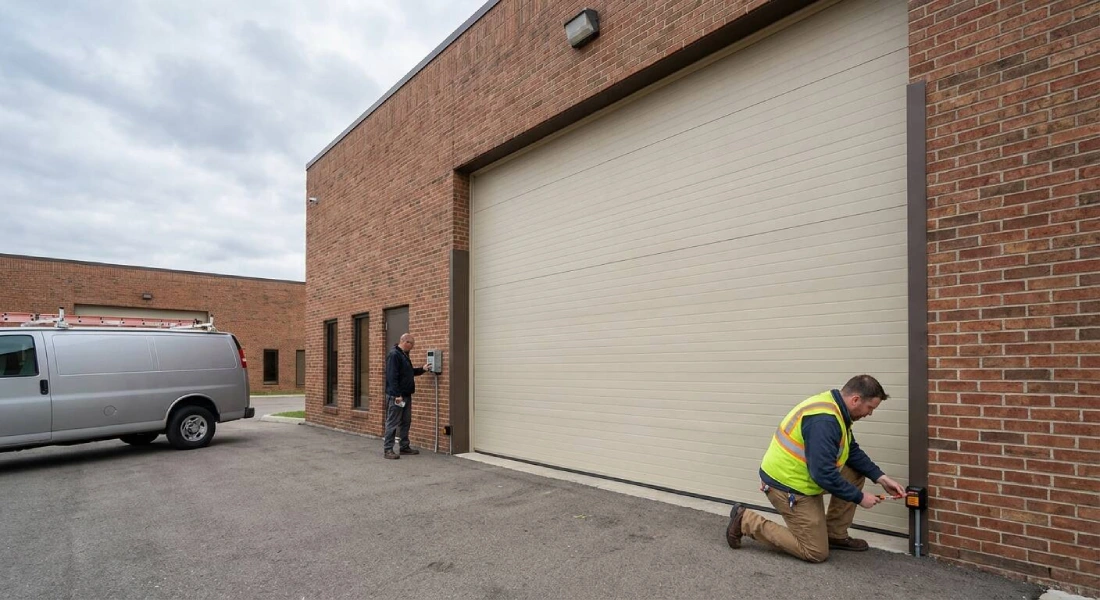
When that door refuses to budge, you've got two choices. You can panic and start yanking on things, or you can work through it methodically. One approach costs you time and money. The other gets you back to business. We're walking you through what actually works—no fluff, no guesswork, just the steps that matter when your operation grinds to a halt.
The Power Supply Deserves Your First Look
Before you assume the worst, check the obvious. Is the opener getting power? We've seen businesses call in emergency techs only to discover a tripped breaker or an unplugged unit. It happens more than you'd think, especially after electrical work or a storm that knocked things offline.
Walk over to your breaker panel and confirm nothing's flipped. Test the outlet if you can. If the opener has a reset button, hit it. Sometimes the fix is that simple. If the power's solid and the door still won't respond, then you're dealing with something deeper—but at least you've ruled out the easiest culprit.
Remotes and Wall Switches Tell Different Stories
Your remote might be dead. Your wall switch might be fine. Or vice versa. Testing both tells you where the breakdown is. Swap the batteries in the remote first—cheap fix, quick result. If the wall switch works but the remote doesn't, you've isolated the problem. If neither works, the issue is with the opener or the door itself.
Don't skip this step. It takes thirty seconds and saves you from chasing the wrong problem. We've watched business owners replace entire openers when all they needed was a fresh battery. That's not smart troubleshooting—that's expensive guessing.
Physical Obstructions Are More Common Than You Think
Something's in the way. Could be debris in the tracks. Could be a pallet someone left too close. Could be ice buildup if you're in a cold climate. Walk the perimeter and look for anything blocking the door's path. Check the tracks, the rollers, the floor clearance.
Clear out whatever you find. Even small obstructions can jam a commercial door, and forcing it will only make things worse. If the door moves freely after you've cleared the path, you're done. If it's still stuck, the obstruction wasn't the root cause—it was just adding to the problem.
Hardware Wears Out Whether You Notice or Not
Commercial doors take a beating. Springs snap. Cables fray. Rollers crack. Tracks bend. If your door won't open, there's a decent chance one of these components has failed. Look for visible damage—broken springs are usually obvious, and frayed cables don't hide well.
Here's what to check:
- Springs for breaks or gaps in the coils
- Cables for fraying or slack
- Rollers for cracks or wobbling
- Tracks for bends or misalignment
- Hinges and brackets for looseness or rust
If you spot damage, stop. Don't try to fix it yourself. Springs and cables are under extreme tension, and DIY repairs can lead to serious injuries. Call a pro and keep your team clear of the door until it's handled.
The Manual Release Is Your Backup Plan
Every commercial door has a manual release—usually a red handle or cord hanging from the opener. Pull it to disengage the door from the motor. Then try lifting the door by hand. If it moves smoothly, the problem is with the opener. If it's still stuck or feels heavy, the issue is mechanical.
This test tells you a lot. A door that won't budge manually has a serious hardware problem—broken springs, jammed tracks, or worse. A door that lifts fine means the opener's the weak link. Either way, you've narrowed the field and can make a smarter call about what comes next.
Safety Sensors Can Block More Than Just Closing
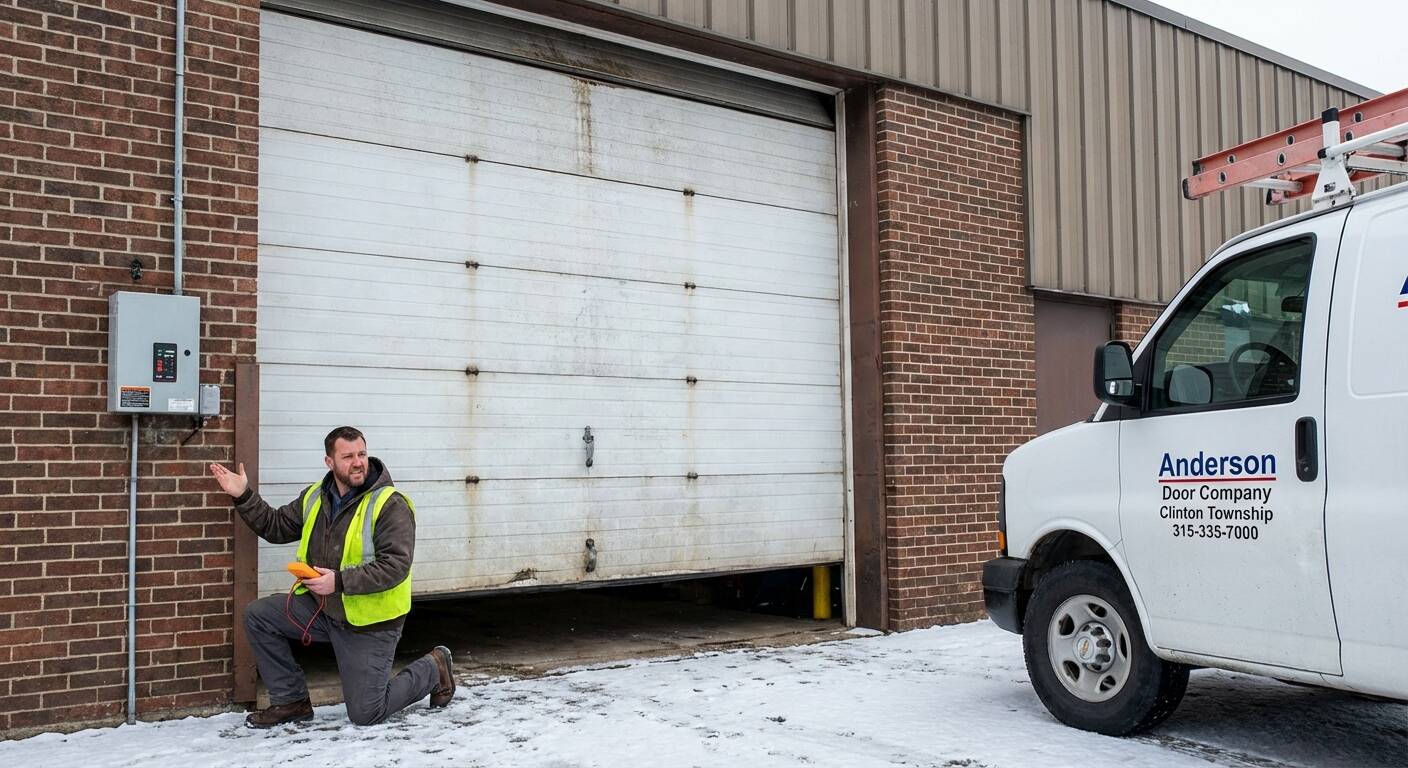
Most people think safety sensors only stop doors from closing. Not true. If the sensors are dirty, misaligned, or malfunctioning, they can prevent the door from opening too. Check the sensors at the base of the tracks. Are they facing each other? Are the lenses clean?
Wipe them down with a soft cloth and make sure they're aligned. If the indicator lights aren't on or are blinking, that's your clue. Realign the sensors until the lights stay solid. If that doesn't fix it, the sensors themselves might be shot—and that's a replacement job, not a cleaning job.
Opener Settings Can Drift Over Time
Commercial openers have adjustable settings for force and travel limits. If those settings drift—or if someone changed them without documenting it—the door won't operate correctly. Too much force and the opener shuts down to prevent damage. Too little and the door won't move at all.
Consult your opener's manual and check the settings. Make small adjustments and test after each one. Don't crank things to the max hoping for a quick fix. That's how you burn out motors or strip gears. If you're not confident in the adjustments, leave it to someone who is.
When to Stop and Call for Help
There's a line between troubleshooting and risking injury. If you've checked power, cleared obstructions, tested the manual release, and inspected the hardware—and the door still won't open—you're past DIY territory. Commercial doors are heavy, complex, and dangerous when something's wrong.
Here's when to call a technician:
- Broken or damaged springs or cables
- Door won't move manually
- Opener runs but the door doesn't respond
- Unusual noises like grinding or scraping
- Visible structural damage to the door or frame
A qualified tech can diagnose the problem, source the right parts, and get you operational without the guesswork. Trying to force a repair you're not trained for doesn't save money—it costs more when you make things worse.
Maintenance Prevents Most of This
Most garage door failures are preventable. Regular inspections catch problems before they shut you down. Lubricate moving parts. Tighten loose hardware. Clean the tracks. Test the safety features. Schedule professional servicing at least twice a year.
Here's what a solid maintenance routine includes:
- Visual inspection of springs, cables, and rollers
- Lubrication of hinges, rollers, and tracks
- Testing the manual release and safety sensors
- Checking and adjusting opener settings
- Cleaning debris from tracks and weather seals
It's not glamorous work, but it's the difference between a door that lasts and one that leaves you stranded. Businesses that treat maintenance as optional are the same ones calling for emergency repairs at the worst possible times.
Documentation Saves You When Things Go Wrong
Keep records of every service call, every part replacement, every adjustment. When something breaks, that history tells the tech what's been done and what might be failing. It also helps you spot patterns—if you're replacing the same part every six months, there's a bigger issue at play.
Document the basics:
- Date and type of service performed
- Parts replaced or repaired
- Technician notes and recommendations
- Warranty information for parts and labor
- Any recurring issues or unusual behavior
Good records also protect you if there's a warranty claim or a dispute over what was done. It's not paranoia—it's smart business. And when you're dealing with a door that won't open, having that history on hand speeds up the diagnosis and gets you back online faster.
Downtime Costs More Than Repairs
A stuck garage door isn't just an inconvenience. It's lost productivity, delayed shipments, frustrated customers, and employees standing around waiting. The longer you wait to address it, the more it costs. Emergency repairs are expensive, but so is a full day of downtime.
Weigh your options. If you can troubleshoot and fix it quickly, great. If not, call for help immediately. Don't wait until the end of the day or hope it fixes itself. It won't. And every hour you lose is revenue you're not getting back.
Your Door Is Only As Reliable As Your Attention to It
Commercial garage doors don't fail because they're poorly made. They fail because they're overworked and under-maintained. You can't run a door hundreds of times a week and expect it to stay perfect without any care. That's not how mechanical systems work.
Stay ahead of the problem. Inspect regularly. Address small issues before they become big ones. Keep a relationship with a reliable door services provider. And when something does go wrong, handle it methodically—not emotionally. That's how you keep your operation running and your door doing its job.
Let’s Get Your Business Moving Again
We know how critical a working garage door is to your daily operations, and we’re here to help you avoid costly downtime. If your commercial door is giving you trouble or you want to set up a maintenance plan that keeps things running smoothly, let’s talk. Call us at 586-791-2369 or request a quote today so we can help you keep your business on track.
‹ Back
Recent Posts
-
Why Is My Garage Door in St. Clair Shores Opening Crooked?
September 15, 2026
-
Can You Replace Just One Garage Door Panel in Clinton Township?
September 1, 2026
-
-
-
What Causes Garage Door Cables to Snap in Grosse Pointe?
July 21, 2026