

By using our website, you agree to the use of cookies as described in our Cookie Policy
Are Manual Garage Doors Still an Option for Commercial Buildings?
Most property managers think garage doors are just about access. Open, close, done. But the choice you make affects security, workflow, and your bottom line — and if you're not thinking through the trade-offs, you're setting yourself up for headaches. Manual doors might seem outdated, but they're still in play for a reason. Especially when budgets are tight or power reliability is questionable.
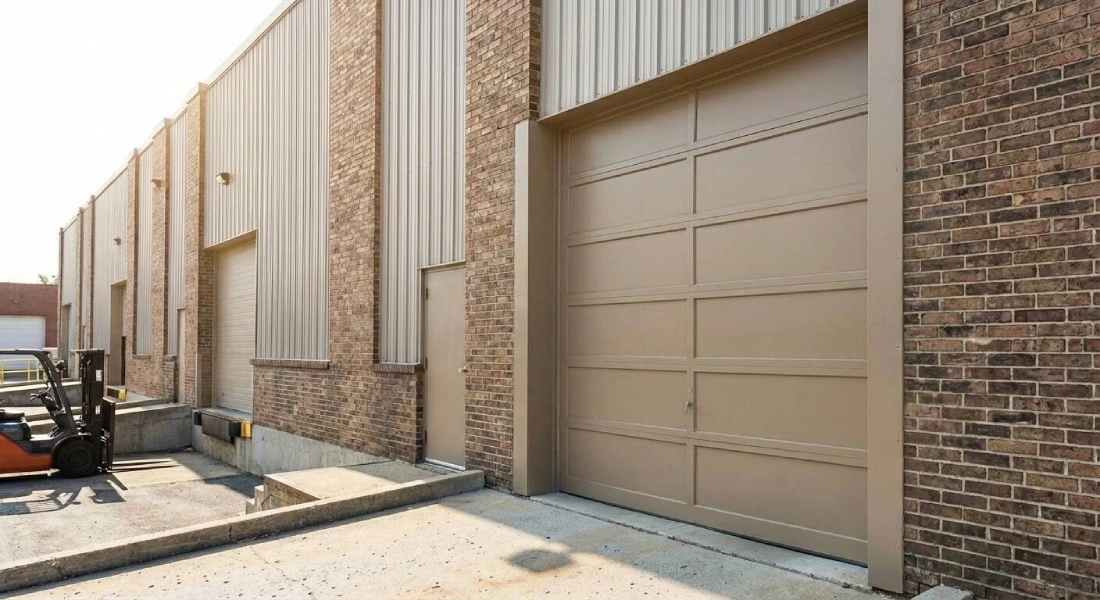
So here's the reality. If you're running a commercial space that needs constant in-and-out traffic, automation makes sense. But if your operation is smaller, less frequent, or you're trying to avoid electrical dependencies, manual doors aren't just viable — they might be smarter. Every setup should match the actual use case, not just what looks modern on paper.
Automation Took Over, But Manual Didn't Disappear
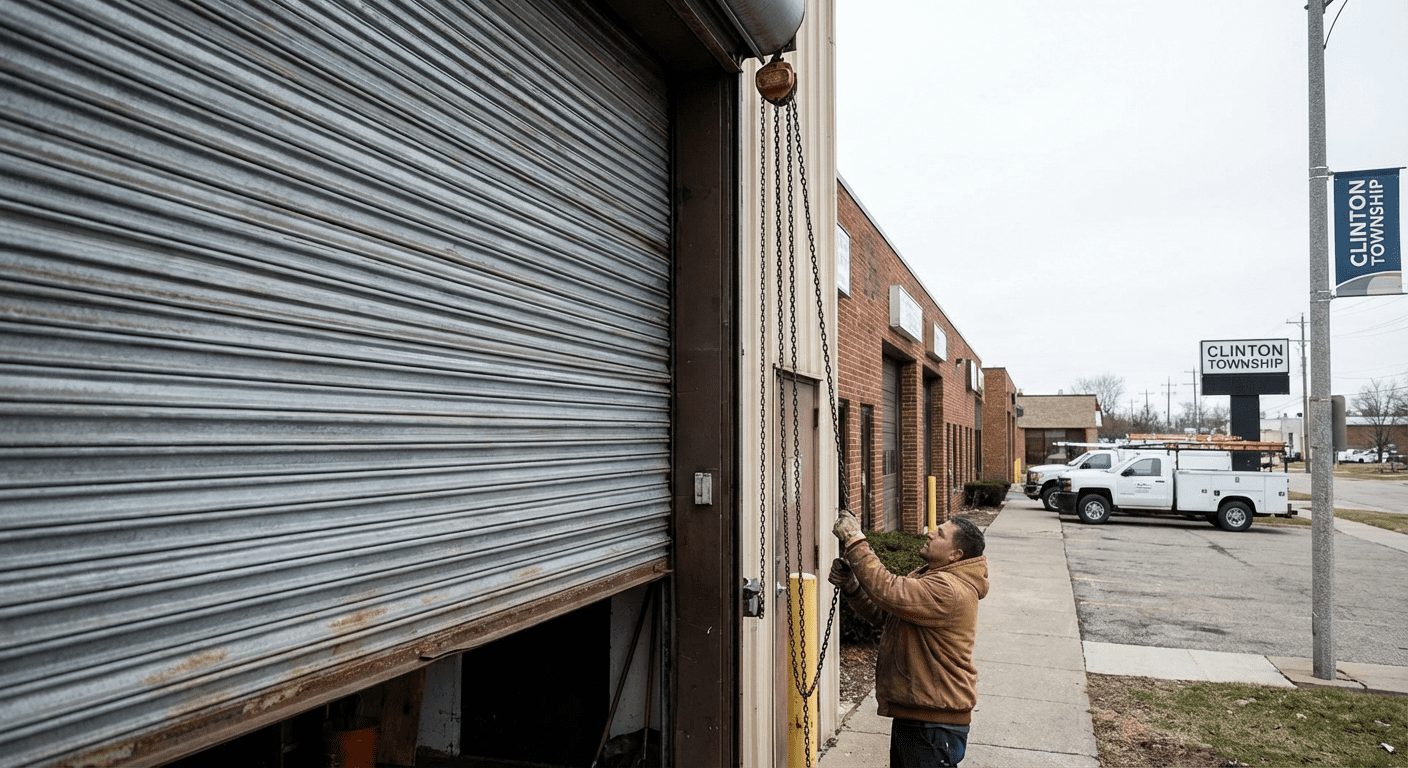
Manual garage doors used to be standard across the board. You pulled them open, you pushed them shut. Simple mechanics, no frills. Then businesses started chasing convenience and remote access, and motorized systems became the default. Now most new builds come with automated doors that respond to sensors, remotes, or even smartphone apps.
But manual doors didn't vanish. They're still installed in warehouses, storage units, and smaller commercial properties where the benefits of automation don't justify the cost. And in some cases, they're chosen deliberately — not because of budget alone, but because they fit the operation better.
Where Manual Doors Still Make Sense
Automation gets the spotlight, but manual systems have advantages that matter in the right context. If your building doesn't need constant access or you're working with limited resources, manual doors can be the smarter play.
- Lower upfront and maintenance costs: Manual doors are cheaper to buy and install. No motors, no sensors, no electrical work. Maintenance is minimal because there's less to break.
- Fewer failure points: Without electronics or moving motors, manual doors are less likely to malfunction. That means fewer service calls and less downtime.
- No power dependency: Manual doors work whether the grid is up or down. If your area deals with outages or you want to cut energy use, that independence matters.
- Solid security when done right: A manual door with a quality lock can be just as secure as an automated one. And without electronic controls, there's no risk of remote hacking or signal interference.
- Backup option for automated systems: Some properties install manual doors as secondary access points, giving them a fallback if the main system fails.
The Downsides You Can't Ignore
Manual doors work, but they come with limitations. Depending on your operation, those limitations might be deal-breakers. High-traffic facilities or businesses that prioritize speed and convenience will hit friction fast.
- Physical effort required: Commercial doors are heavy. Opening and closing them manually takes time and muscle, especially if you're doing it multiple times a day.
- Accessibility issues: Employees with mobility challenges may struggle with manual operation. Automated systems are more inclusive and easier for everyone to use.
- Slower workflow: If your business relies on quick loading, unloading, or frequent access, manual doors slow things down. That inefficiency adds up over time.
- Perception problem: Clients and tenants expect modern systems. A manual door might signal outdated infrastructure, even if it functions perfectly.
- Size and weight challenges: Larger commercial overhead doors may require two people to operate safely, which isn't always practical during busy hours.
Who Should Still Consider Manual Systems
Manual doors aren't for everyone, but they're not obsolete either. Small businesses with low garage usage, storage facilities with infrequent access, or properties in areas with unreliable power can benefit from the simplicity. If your operation doesn't demand constant door activity, the cost savings and reliability of manual systems can outweigh the convenience of automation.
Some businesses also use hybrid setups — doors that can be operated manually or automatically. That gives you flexibility without locking you into one method. It's a middle ground that works when you want a backup plan or need to accommodate different use cases.
Matching the Door to the Operation
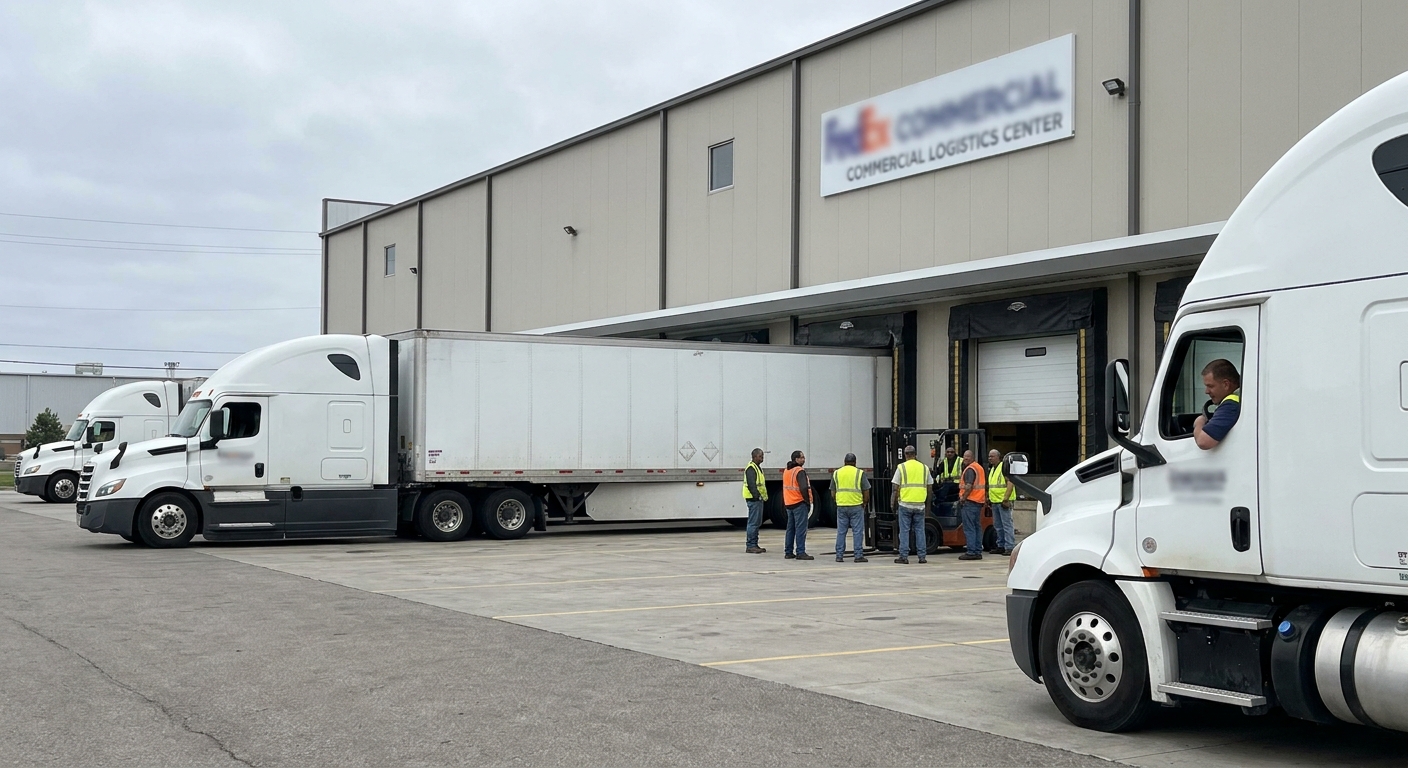
The right garage door isn't about what's trendy or what everyone else is installing. It's about what fits your building's actual needs. If you're running a high-volume warehouse with constant deliveries, automation is non-negotiable. But if you're managing a small shop, a seasonal facility, or a backup access point, manual doors can do the job without the extra cost or complexity.
- Evaluate your traffic volume: How often does the door need to open and close? If it's infrequent, manual makes sense.
- Consider your power situation: Do you deal with outages? Is energy efficiency a priority? Manual doors eliminate electrical dependency.
- Factor in your budget: If upfront costs and ongoing maintenance matter, manual doors save money without sacrificing function.
- Think about your team: Can your staff handle manual operation safely? If accessibility is a concern, automation may be necessary.
- Plan for the future: Will your needs change? A hybrid system or a manual door with an upgrade path might be the smartest long-term move.
The Call Comes Down to Context
Manual garage doors aren't dead. They're just selective. For the right commercial building, they offer cost savings, reliability, and independence from the grid. For others, automation is the only way to keep operations moving smoothly. The mistake is assuming one approach fits every situation.
If you're building new or replacing an old system, don't default to what's popular. Look at how the door will actually be used, who's operating it, and what your budget allows. Professional door services can help you evaluate your specific needs and determine whether professional installation of a manual or automated system makes the most sense. That's how you end up with a solution that works — not just one that looks good on the spec sheet.
Let’s Find the Right Fit for Your Business
Choosing the best garage door for your commercial property is about more than just opening and closing—it’s about making your day-to-day smoother and more secure. Let’s talk through your options and find a solution that matches your workflow and budget. Give us a call at 586-791-2369 or request a quote to get started with a team that understands what your business needs to keep moving forward.
‹ Back
Recent Posts
-
Why Is My Garage Door in St. Clair Shores Opening Crooked?
September 15, 2026
-
Can You Replace Just One Garage Door Panel in Clinton Township?
September 1, 2026
-
-
-
What Causes Garage Door Cables to Snap in Grosse Pointe?
July 21, 2026