
By using our website, you agree to the use of cookies as described in our Cookie Policy
Is Your Garage Door Opener in St. Clair Shores Starting to Lag?
Most homeowners think a sluggish garage door is just annoying. It opens slow, it closes slower, and you sit there waiting like it's dial-up internet all over again. But a lagging opener isn't just an inconvenience — it's a warning sign. Something's wearing down, something's loose, or something's about to break entirely. And when it does, you won't be dealing with a minor delay. You'll be dealing with a stuck car, a half-open garage, or worse.
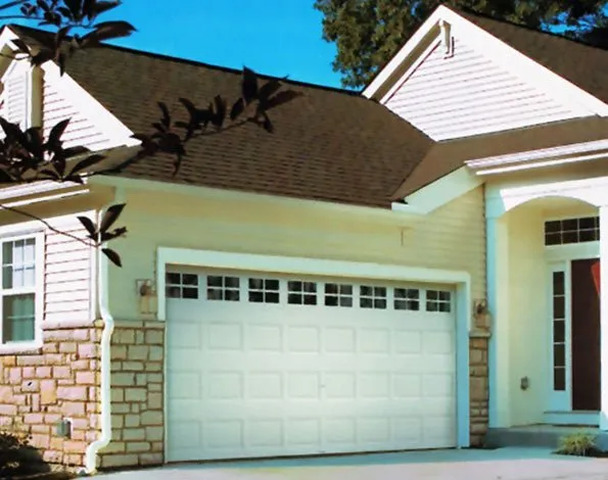
So here's the reality. If your opener is dragging its feet, it's time to figure out why. Every symptom has a cause. Every delay points to a part under stress. And every ignored signal moves you closer to a breakdown that costs more than it should. We've seen it happen to businesses and homeowners alike — and the ones who act early always come out ahead.
The Warning Signs You Shouldn't Ignore
Before we dig into what's breaking, let's talk about what breaking looks like. Your garage door opener won't send you a text when it's struggling, but it will show you. The trick is noticing before the problem gets worse.
Pay attention if you're seeing any of these red flags. They're not random quirks — they're your opener telling you it needs help:
- Response time drags out longer than it used to, like the system's thinking it over
- Grinding, scraping, or clicking sounds replace the normal hum
- Your remote works sometimes but not others, or the wall button takes multiple presses
- The door reverses halfway through closing or stops without finishing
- Blinking lights or error codes flash on the motor unit
What's Actually Causing the Drag
Garage door openers don't just slow down for fun. There's always a mechanical or electrical reason behind the lag, and figuring it out early saves you from replacing the whole system later. Most of the time, it's one of a handful of usual suspects.
Worn gears and belts top the list. These parts handle thousands of cycles, and over time they stretch, crack, or strip. When that happens, the motor works harder but moves the door slower. Lubrication dries up too — especially in climates like ours where temperature swings mess with metal and plastic. Tracks get gummed up, rollers seize, and friction builds until the opener can barely push through. Then there's wiring. Loose connections, frayed cables, or a failing circuit board can throttle power delivery and make everything sluggish. And don't overlook the basics — weak remote batteries or signal interference can fake a mechanical problem when it's really just communication lag.
Quick Fixes You Can Handle Yourself
Not every lagging opener needs a service call. Some issues respond to basic maintenance, and if you're comfortable with a ladder and a wrench, you can knock them out in an afternoon.
Start with lubrication. Grab a silicone-based garage door lubricant for Michigan's climate — not WD-40, which attracts dirt — and coat the rollers, hinges, and tracks. Wipe off the excess so it doesn't build up. Swap out the batteries in your remote. Check the tracks for debris, dents, or bends, and clear anything blocking the path. Tighten loose bolts on the opener mount and door brackets. If the system's acting glitchy, unplug the motor for sixty seconds and reset it. Sometimes that's all it takes to clear a hiccup:
- Apply proper lubricant to every moving joint and roller
- Replace remote batteries even if they seem fine
- Clear tracks of dirt, grease buildup, or objects
- Tighten hardware that's vibrated loose over time
- Power cycle the opener to reset its programming
When DIY Won't Cut It
There's a line between routine upkeep and repairs that need professional hands. Cross it without training, and you risk injury or a bigger bill down the road. Garage door springs store enough tension to send you to the hospital. Electrical faults can shock you or fry the system. And if the door's off its track, forcing it back can bend the rails beyond repair.
Call a pro if the opener still lags after your maintenance pass. If you hear metal-on-metal grinding or loud bangs, something's broken inside. If the door visibly sags or sits crooked, the tracks or cables are compromised. If you see exposed or frayed wiring, don't touch it. And if your opener's pushing fifteen years old and acting up regularly, it's time to replace rather than repair. Older units lack the safety features and efficiency of modern openers, and parts availability shrinks every year:
- Lag persists even after lubrication and resets
- Unusual grinding, screeching, or banging noises during operation
- Door hangs unevenly or comes off the track
- Visible electrical damage or burning smells
- Opener is over a decade old and breaking down frequently
Stop Problems Before They Start
The best way to deal with a lagging opener is not dealing with one at all. Regular maintenance keeps parts moving freely and catches wear before it becomes failure. Schedule a professional residential door inspection once a year, especially if you use your garage door multiple times a day.
Between service visits, keep an eye on performance. Listen for changes in sound. Watch how smoothly the door moves. Test the auto-reverse feature monthly by placing a block under the door — it should stop and reverse immediately. Keep the tracks clean, the hardware tight, and the motor vented. These aren't complicated tasks, but skipping them adds up fast:
- Annual professional inspections catch issues early
- Monthly safety sensor and auto-reverse tests ensure compliance
- Quarterly lubrication prevents friction damage
- Immediate attention to strange sounds stops minor issues from escalating
Local Help Gets There Faster
If you're in St. Clair Shores and your opener's giving you trouble, working with a local service makes a difference. They know the climate, they stock the parts that wear out here, and they show up without the delays that come from dispatching across metro Detroit.
A good local tech won't just patch the symptom. They'll trace the root cause, explain what's failing, and give you options that make sense for your budget and how long you plan to keep the system. They'll also back their work with real accountability — not a call center three states away. That's the kind of door service that keeps your garage door running strong instead of limping along until it quits entirely.
Act While It's Still Just a Lag
A slow garage door opener doesn't fix itself. It gets worse, it wears out surrounding components, and eventually it leaves you stranded at the worst possible moment. Treating the lag like a minor annoyance guarantees you'll face a bigger problem later — and pay more to fix it.
We help homeowners and business operators stay ahead of breakdowns by spotting trouble early and solving it right. Whether it's a quick adjustment or a full replacement, the goal is the same — get your door working like it should and keep it that way. Don't wait for the motor to burn out or the door to jam halfway open. Handle it now, while it's still manageable, and save yourself the hassle of an emergency garage door repair when you're already running late.
Let's Get Your Garage Door Back on Track
We know how important a reliable garage door is for your daily routine, and we're here to make sure yours runs smoothly without the stress or guesswork. If your opener is slowing you down, let's tackle the issue together before it turns into a bigger headache. Give us a call at 586-791-2369 to talk with our team, or request a quote and we'll help you get back to hassle-free access in no time.
‹ Back
Recent Posts
-
Are Older Garage Doors in Grosse Pointe More Expensive to Maintain?
September 29, 2026
-
Why Is My Garage Door in St. Clair Shores Opening Crooked?
September 15, 2026
-
Can You Replace Just One Garage Door Panel in Clinton Township?
September 1, 2026
-
-