

By using our website, you agree to the use of cookies as described in our Cookie Policy
Is Your Garage Door in Clinton Township Making Grinding Noises?
Most homeowners hear a grinding garage door and think it's just aging hardware. A little noise, nothing serious. But that scraping sound isn't background static — it's your system telling you something's failing. Ignore it long enough, and you're not just dealing with annoying racket. You're looking at broken parts, safety hazards, and repair bills that could've been avoided.
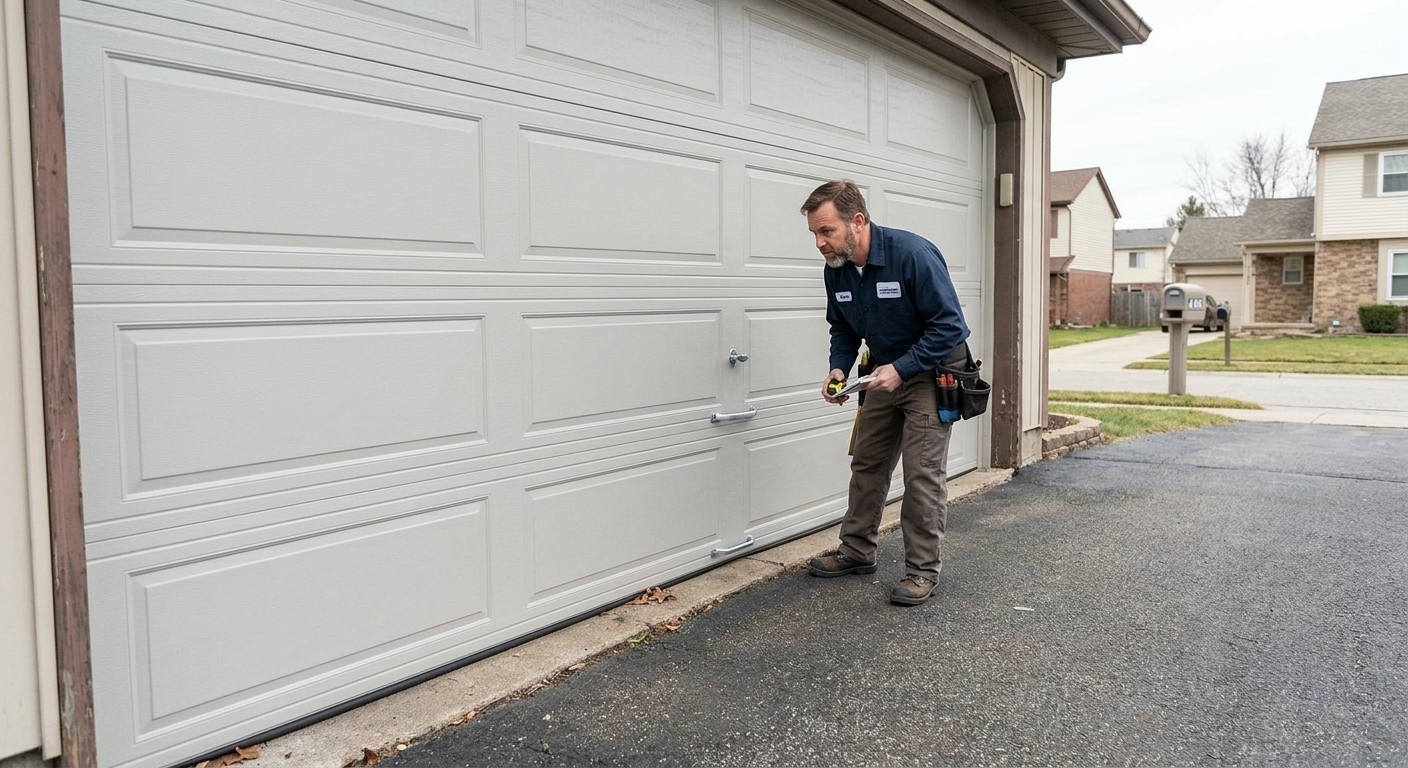
We've worked with enough Clinton Township properties to know the pattern. That grinding doesn't fix itself. It escalates. And the longer you wait, the more expensive the fix becomes. Every homeowner should understand what causes these sounds, what they mean for your door's lifespan, and when to stop tinkering and bring in someone who knows what they're doing.
Metal on Metal Tells the Story
Garage doors rely on precision. Springs, tracks, rollers, hinges — they all move in sync when everything's aligned and lubricated. But wear down one component or knock something out of place, and the whole system protests. That grinding you're hearing is usually metal scraping where it shouldn't, friction building where it didn't before.
Most of the time, it's not catastrophic yet. But it's a countdown. The noise is your early warning system, and tuning it out just shortens the clock. We've seen doors that went from a minor grind to total failure in a matter of weeks because no one wanted to deal with it.
Where the Grinding Usually Starts
Pinpointing the source matters because not every grind has the same fix. Some issues you can address with basic upkeep. Others require tools, training, and a tolerance for danger that most people don't have. Here's where the sound typically originates and what it means for your door.
- Dry components: Rollers, hinges, and tracks need lubrication to glide smoothly. Skip that maintenance, and metal grinds on metal every time the door moves.
- Degraded rollers: Steel rollers wear down faster than nylon ones, and once they flatten or chip, they scrape instead of roll. That's your grinding culprit right there.
- Bent or shifted tracks: A bump from a vehicle or settling foundation can knock tracks out of alignment. When the door tries to move, it fights the track instead of following it.
- Failing springs: Torsion or extension springs under extreme tension can degrade, causing uneven lifting and grinding as the door strains against its own weight.
- Opener gear issues: The motor's drive gear can strip or wear down, creating a grinding sound from inside the opener unit rather than the door itself.
Basic Checks Before You Call Anyone
We're not saying every grinding door needs a technician immediately. Some fixes are straightforward enough that a homeowner can handle them with the right supplies and a little patience. Start with the simplest explanations before assuming the worst.
Grab a silicone-based lubricant — not WD-40, which attracts grime — and hit every moving part you can reach. Rollers, hinges, track seams. If the noise quiets down, you caught it early. If it doesn't, or if you spot visible damage like cracked rollers or warped tracks, that's where DIY ends and professional work begins.
- Apply lubricant to all rollers, hinges, and track edges
- Clear debris or buildup from tracks and sensors
- Check for visible bends, cracks, or misalignment in the track system
- Disconnect the opener and manually lift the door halfway — if it won't stay, springs are likely worn
- Listen for where the grinding is loudest to narrow down the source
When DIY Becomes a Liability
There's a line between routine maintenance and actual repair work, and most homeowners cross it without realizing the risk. Garage door springs hold enough tension to cause serious injury. Tracks need specialized tools to realign safely. And if you guess wrong on what's causing the grind, you can make the problem worse or create new ones.
We've seen homeowners try to adjust spring tension with pliers and end up in the ER. We've watched people yank on bent tracks and snap cables. If you've lubricated, inspected, and tested the door and it's still grinding, that's your cue to step back. This isn't a YouTube tutorial situation — it's a call-a-pro situation.
What a Professional Actually Does
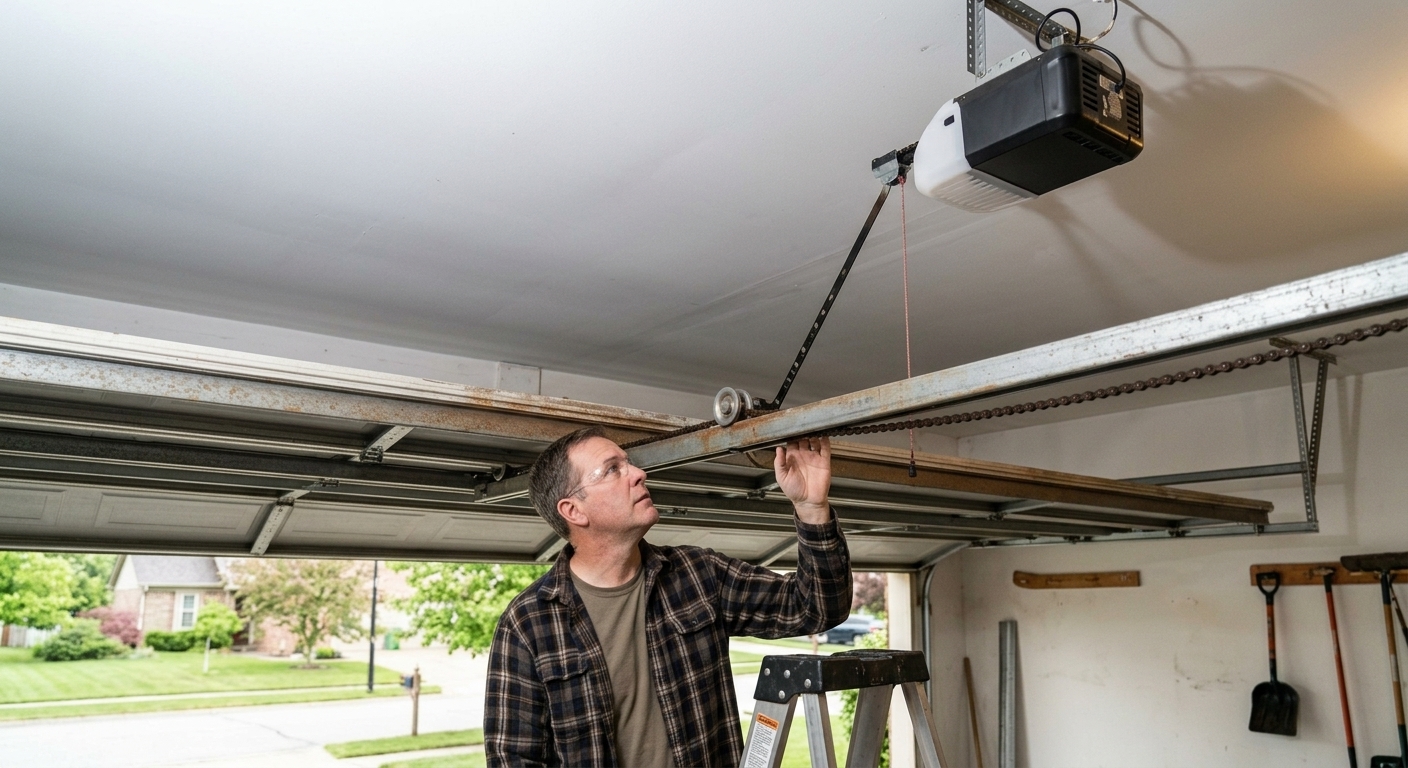
A qualified garage door technician doesn't just fix the noise. They diagnose the root cause, check for secondary issues you might've missed, and make sure the system is safe to operate. That includes testing spring tension, realigning tracks with laser precision, replacing worn rollers, and inspecting the opener for internal damage.
- Full system inspection to catch problems before they escalate
- Proper realignment of tracks using calibrated tools
- Spring tension adjustment or replacement with safety protocols
- Roller and hinge replacement with high-quality parts
- Opener diagnostics and gear replacement if needed
Maintenance Stops Most Problems Before They Start
The best fix for a grinding garage door is preventing it in the first place. Regular maintenance isn't glamorous, but it's effective. Schedule an annual inspection with a local technician who knows Clinton Township's climate and how it affects garage door components. Between inspections, lubricate moving parts every few months and keep the tracks clean.
Most grinding noises start small. A little friction here, a dry hinge there. Catch them early, and you're looking at a five-minute fix. Miss them, and you're looking at a replacement door or worse — a door that fails while someone's underneath it.
Costs Climb Faster Than You Think
We get it — no one wants to pay for repairs. But delaying on a grinding door doesn't save money. It just shifts the expense from a minor fix to a major one. Replace a set of rollers now, or replace the entire track assembly later. Adjust spring tension today, or replace a broken spring and the damage it caused tomorrow.
- Early intervention typically costs a fraction of emergency repairs
- Worn components can damage other parts if not replaced promptly
- Safety risks increase exponentially as the system degrades
- Regular maintenance extends the lifespan of the entire door system
Stop Waiting for It to Get Worse
That grinding noise isn't going to resolve itself. It's not going to stabilize at its current level and stay there indefinitely. Garage doors don't work that way. The friction causing the sound is actively wearing down components with every cycle, and each cycle brings you closer to failure.
We help Clinton Township homeowners stop small problems before they become expensive emergencies. Whether it's a quick lubrication job or a full system repair, we show up prepared, diagnose accurately, and fix it right the first time. No guesswork. No shortcuts. Just a garage door that operates the way it's supposed to — quietly, safely, and reliably.
Let’s Get Your Garage Door Running Smoothly Again
We know how frustrating a noisy garage door can be, and we’re here to help you put an end to the grinding for good. Let’s work together to restore quiet, safety, and peace of mind to your home. Give us a call at 586-791-2369 or request a quote today and let’s get your garage door back on track.
‹ Back
Recent Posts
-
Why Is My Garage Door in St. Clair Shores Opening Crooked?
September 15, 2026
-
Can You Replace Just One Garage Door Panel in Clinton Township?
September 1, 2026
-
-
-
What Causes Garage Door Cables to Snap in Grosse Pointe?
July 21, 2026