
By using our website, you agree to the use of cookies as described in our Cookie Policy
Is Your Loading Dock Door in Clinton Township Slowing Down Operations?
Most warehouse managers think dock doors are just about getting product in and out. Open, close, repeat. But the reality is sharper than that — and if you're not paying attention, you're bleeding time and money. A dock door isn't just a piece of equipment. It's the gateway to your throughput, your margins, and whether your drivers are sitting idle or rolling to the next stop.
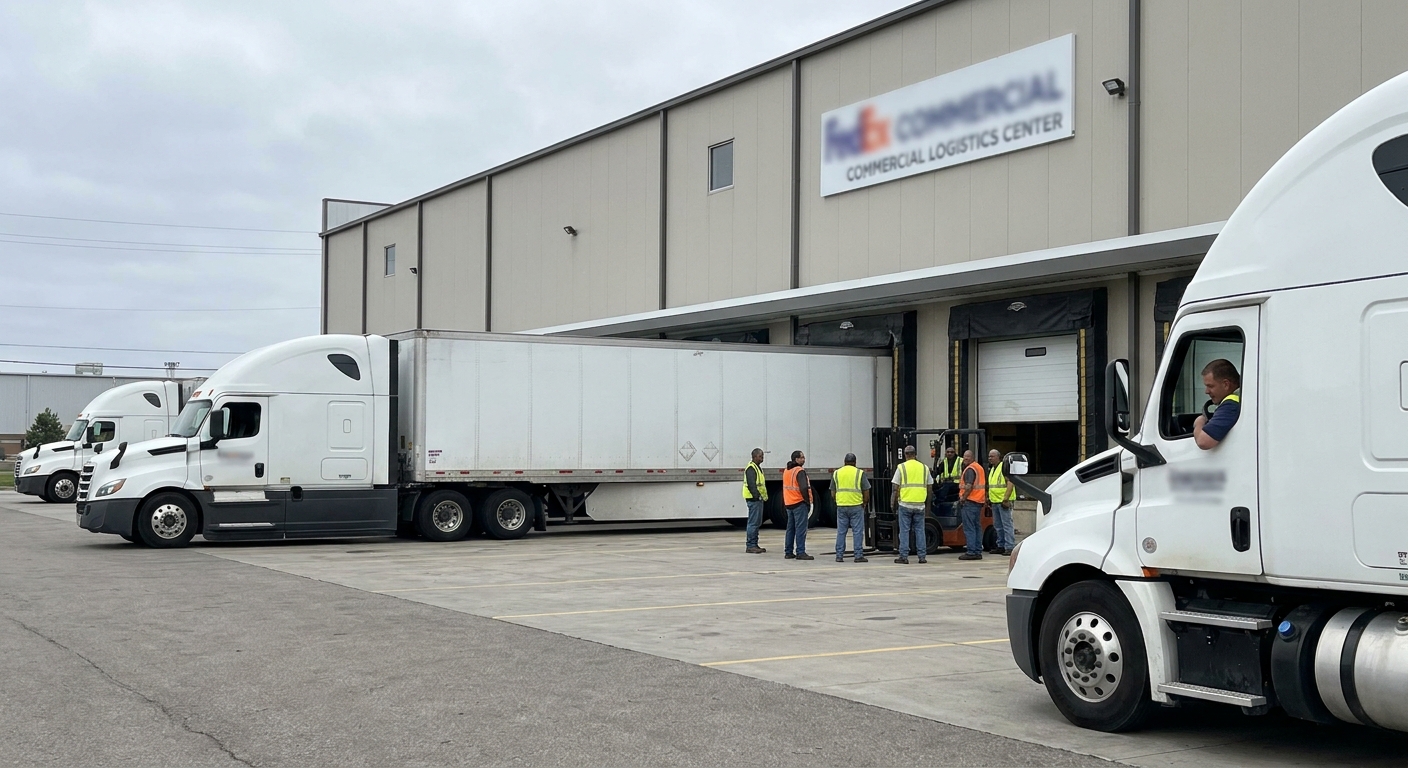
So here's what matters. If that door hesitates, jams, or forces your crew to babysit it through every cycle, you've got a bottleneck. And bottlenecks don't just slow things down — they compound. Every delay at the dock ripples through scheduling, labor costs, and customer expectations. The fix isn't always a full replacement, but ignoring the problem? That's a choice with a price tag.
When Speed Becomes the Difference
In Clinton Township, logistics doesn't wait. Your competitors are moving product while you're stuck wrestling a door that creeps open like it's got all day. A high-performance door cycles fast, seals tight, and doesn't make your team second-guess whether it'll cooperate. When it works right, nobody notices. When it doesn't, everybody feels it.
The math is brutal. Add ten extra minutes per truck because of a sluggish door, multiply that by twenty trucks a day, and you've lost over three hours of productive time. That's not theoretical — it's happening right now in facilities that think "good enough" is actually good enough. It's not.
What Breaks Down and Why It Matters
Dock doors take a beating. Constant cycles, weather swings, and the occasional impact from a careless forklift operator all add up. Most failures don't happen overnight — they announce themselves with warning signs that get ignored until something finally gives out.
We see the same patterns across facilities. A door that used to close in eight seconds now takes twenty. Seals that once kept the cold out now let drafts and moisture creep in. Springs lose tension, tracks get misaligned, and motors start laboring harder than they should. Each symptom is a signal, and each one costs you more the longer it goes unaddressed.
- Tracks bent from impact or debris buildup causing stuttering motion
- Weather seals cracked or torn, letting in rain, snow, and pests
- Motor strain from worn components forcing longer cycle times
- Control systems outdated or failing, leading to unpredictable behavior
- Spring tension imbalances creating uneven opening or slamming shut
The Ripple Effect on Your Operation
A slow dock door doesn't just annoy your team — it reshapes how your entire facility functions. Drivers who used to be in and out now idle in the yard. Workers who should be staging the next load are instead waiting on a door to finish its cycle. Schedules slip, overtime creeps up, and the efficiency you budgeted for turns into wishful thinking.
Then there's the stuff nobody wants to talk about until it happens. Injuries from doors that drop unexpectedly. Damaged product from poor seals letting in weather. Security risks from doors that won't lock properly. These aren't edge cases — they're predictable outcomes when maintenance gets deferred.
- Increased dwell time for inbound and outbound trucks
- Higher labor costs from crews standing around waiting
- Energy waste from poor insulation and seal failures
- Safety incidents from unpredictable door behavior
- Customer complaints when shipments miss their windows
Maintenance Gaps That Cost You
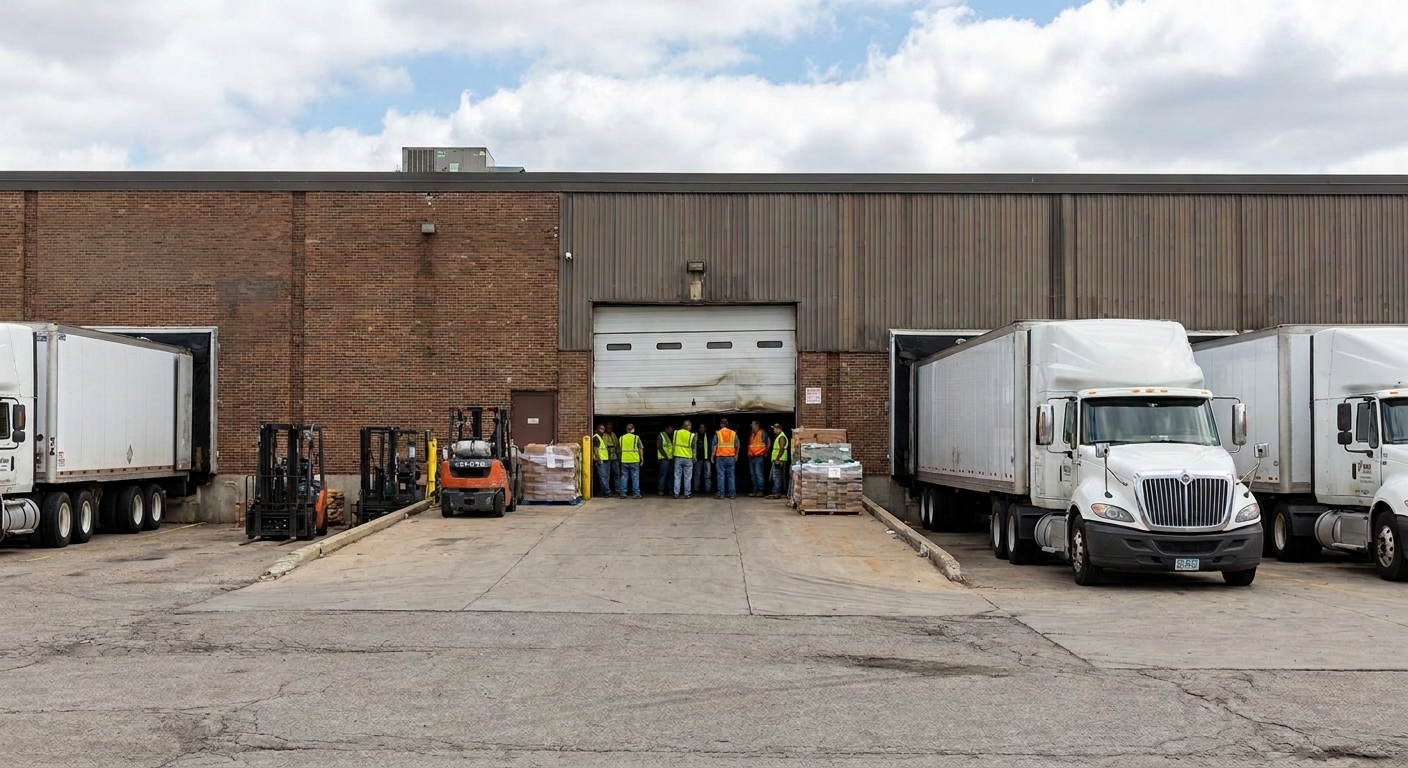
We get it — dock doors aren't glamorous. They're not the kind of thing that gets attention until they fail spectacularly. But that mindset is exactly what turns a minor adjustment into a major repair. Regular maintenance isn't optional if you want consistent performance. It's the difference between a door that lasts fifteen years and one that barely makes it to eight.
Skipping inspections means missing the early signs. A loose bolt here, a frayed cable there — small stuff that turns into big problems when left alone. By the time the door stops working, you're not just paying for the repair. You're paying for the downtime, the rush service, and the productivity you lost while waiting.
- Quarterly inspections to catch wear before it turns into failure
- Lubrication schedules that keep components moving smoothly
- Seal replacement before cracks turn into gaping holes
- Track cleaning to prevent debris from causing jams
- Motor testing to identify strain before burnout
Upgrades That Actually Pay Off
Sometimes repair isn't enough. If your door is more than a decade old, chances are it's costing you in ways that aren't obvious. Newer models cycle faster, seal better, and come with safety features that older units can't match. The upfront cost stings, but the payback shows up in shorter cycle times, lower energy bills, and fewer service calls.
High-speed doors are the gold standard now. They open and close in seconds, not minutes, and they're built to handle the punishment of a busy dock. Add in smart controls, better insulation, and impact-resistant materials, and you've got equipment that works with your operation instead of against it.
- High-speed models cutting cycle time by more than half
- Insulated designs reducing heating and cooling losses
- Smart sensors preventing collisions and improving safety
- Impact-resistant panels standing up to daily abuse
- Remote monitoring systems flagging issues before they cause downtime
Getting Ahead of the Problem
You don't need to wait until a door fails to take action. The smartest operators in Clinton Township are already running audits, scheduling preventive work, and budgeting for upgrades before emergencies force their hand. That's not just good planning — it's the difference between controlling your costs and letting them control you.
If your dock door is showing signs of struggle, don't write it off as normal wear. Every delay, every stutter, every extra second is a signal. For commercial door services that address loading dock issues head-on, dock leveling repairs and comprehensive overhead door solutions can restore the performance your operation demands. Contact our team to schedule an inspection or request a quote for your facility. Your operation doesn't have room for guesswork, and neither does your bottom line.
Let’s Keep Your Dock Doors Moving
We know how much your operation depends on every second at the loading dock. Let’s work together to eliminate slowdowns and keep your team focused on what matters most—moving product, not waiting on equipment. If you’re ready to put dock door problems behind you, call us at 586-791-2369 or request a quote and see how we can help your facility run smoother than ever.
‹ Back
Recent Posts
-
Are Older Garage Doors in Grosse Pointe More Expensive to Maintain?
September 29, 2026
-
Why Is My Garage Door in St. Clair Shores Opening Crooked?
September 15, 2026
-
Can You Replace Just One Garage Door Panel in Clinton Township?
September 1, 2026
-
-