

By using our website, you agree to the use of cookies as described in our Cookie Policy
Does Your Commercial Garage Door in Clinton Township Need New Rollers?
Most business owners in Clinton Township think about their garage doors when they break. When they won't open. When they're stuck halfway and a truck's idling outside. But the rollers? Those get ignored until something grinds to a halt. And by then, you're not just dealing with a repair—you're dealing with downtime, lost hours, and a repair bill that could've been avoided.
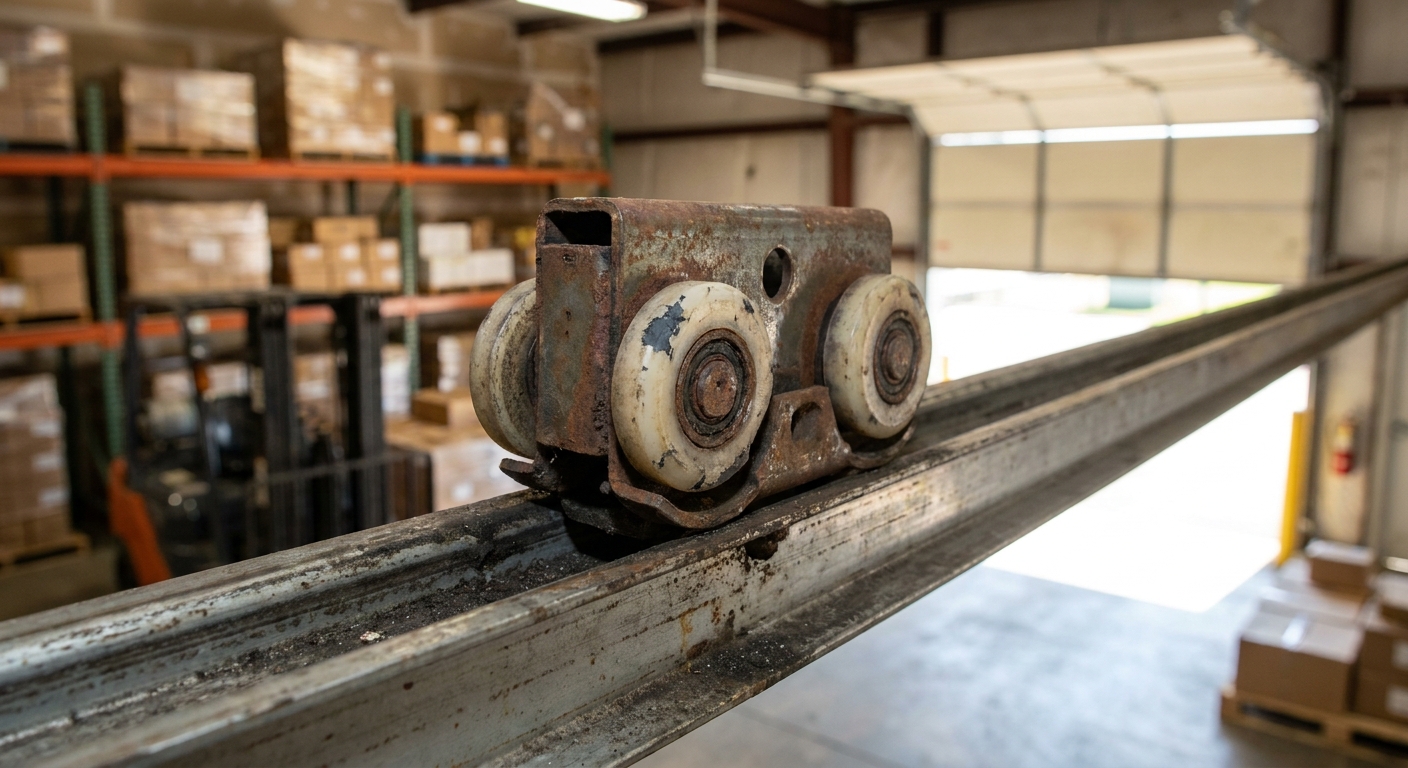
Rollers aren't flashy. They're tucked along the track, doing quiet work every single time that door moves. But when they wear out, everything else starts to suffer. The door jerks. The opener strains. The tracks take abuse they weren't designed for. If you're running a commercial operation, that kind of neglect doesn't just cost you money. It costs you momentum.
What Rollers Actually Do for Your Door
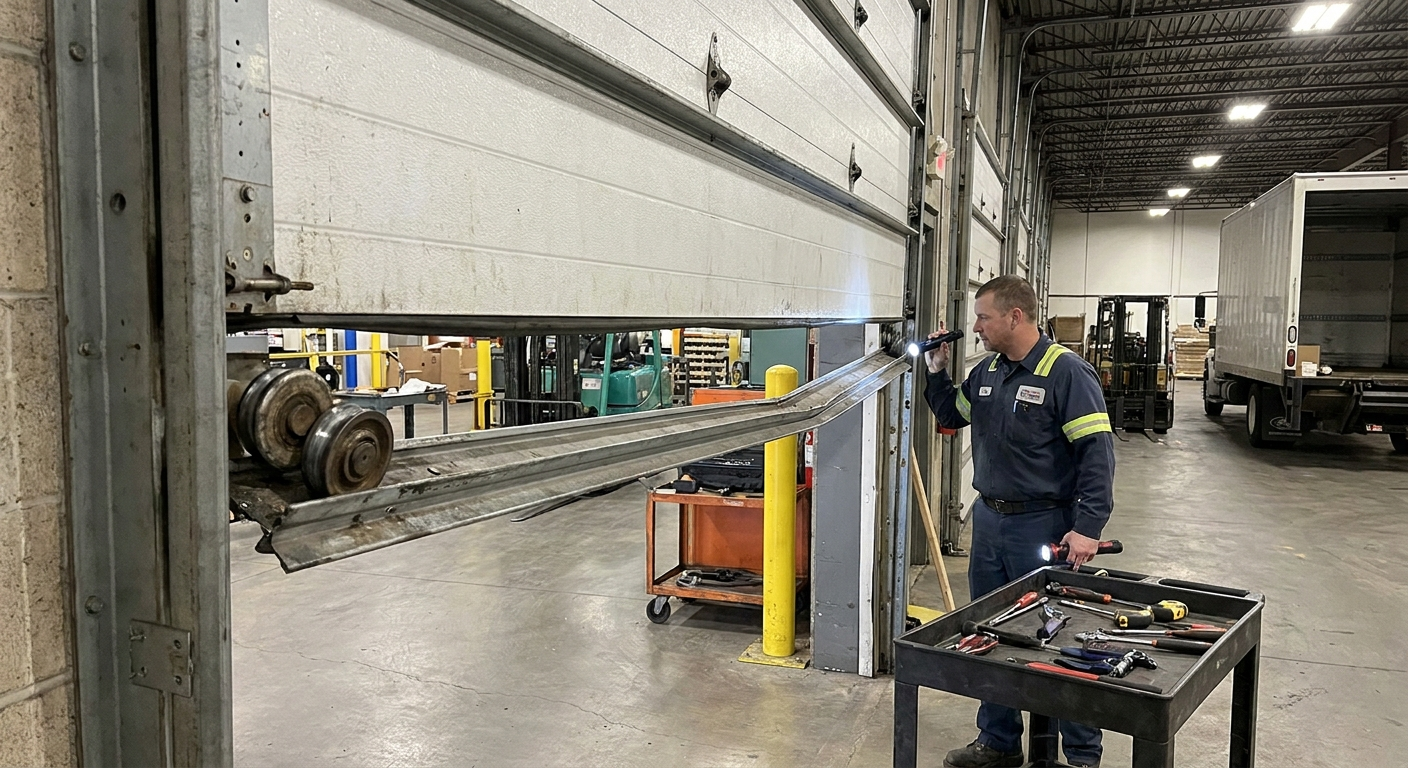
Rollers are the wheels that guide your commercial garage door along the metal tracks mounted on either side. They carry the weight of the door and allow it to travel smoothly from open to closed and back again. In a commercial setting, where doors are heavier, bigger, and cycled more often than residential units, the rollers shoulder a serious load. They don't just roll—they stabilize, they balance, and they absorb impact every time the door moves.
When rollers are fresh, the door glides. When they're worn, everything else starts compensating. And that's when problems multiply. Springs wear faster. Openers burn out. Tracks bend. What started as a $200 roller swap becomes a $2,000 system overhaul because no one caught it early.
The Warning Signs Are Hard to Miss
If your garage door is telling you something's wrong, listen. Rollers don't fail silently. They announce their decline with noise, drag, and visible damage. The trick is paying attention before the door stops working altogether.
Here's what you should be watching for:
- Grinding or Squealing Noise: If the door sounds like metal on metal, the rollers are likely shot. That's friction, not movement.
- Uneven or Stuttering Motion: A door that jerks, pauses, or moves unevenly is compensating for rollers that aren't doing their job.
- Cracks, Chips, or Flat Spots: Inspect the rollers themselves. Nylon ones crack. Steel ones rust. Either way, damaged rollers don't roll.
- Constant Lubrication Needs: If you're greasing the track every other week and it's still noisy, the rollers are past saving.
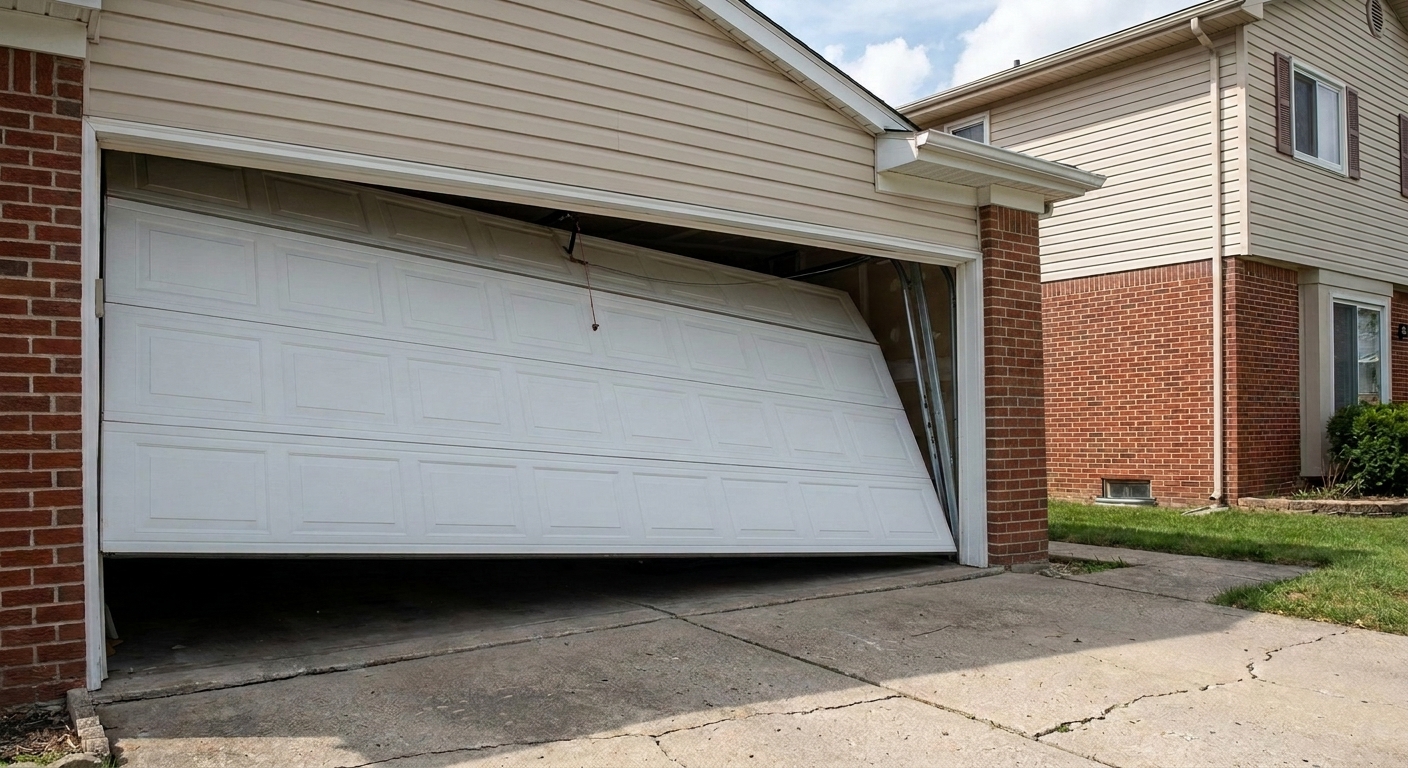
- Door Slips Off Track: This is a safety issue. Worn rollers can't hold the door in place, and when it jumps the track, you're looking at downtime and danger.
Ignoring the Problem Only Makes It Worse
Worn rollers don't heal themselves. They deteriorate, and as they do, they drag the rest of your garage door system down with them. The opener works harder. The springs stretch further. The tracks bend under uneven pressure. What could've been a simple roller replacement becomes a cascading failure that shuts your business down for days.
And it's not just about cost. A malfunctioning garage door is a liability. It slows operations. It creates security gaps. It puts employees at risk if the door drops unexpectedly or jams mid-cycle. Replacing rollers when they're worn isn't maintenance overkill—it's the smart move that keeps everything else intact.
Not All Rollers Are Built the Same
Commercial garage doors need rollers that can handle the weight, the frequency, and the punishment. Residential-grade rollers won't cut it. You need components built for heavy-duty use, and you need to choose based on how your door operates and how often it's in motion.
Here's what's available:
- Steel Rollers: Strong and built to last, but they'll make noise if you skip lubrication. Best for doors that don't cycle constantly.
- Nylon Rollers: Quieter and smoother, but they wear faster under heavy commercial loads. Good for lighter doors or lower-frequency use.
- Sealed Bearing Rollers: These require almost no maintenance and last the longest. Ideal for high-traffic commercial doors that open and close dozens of times a day.
Talk to a technician who knows commercial systems. The wrong roller might save you $50 upfront and cost you $500 in six months when it fails.
Why This Isn't a DIY Job
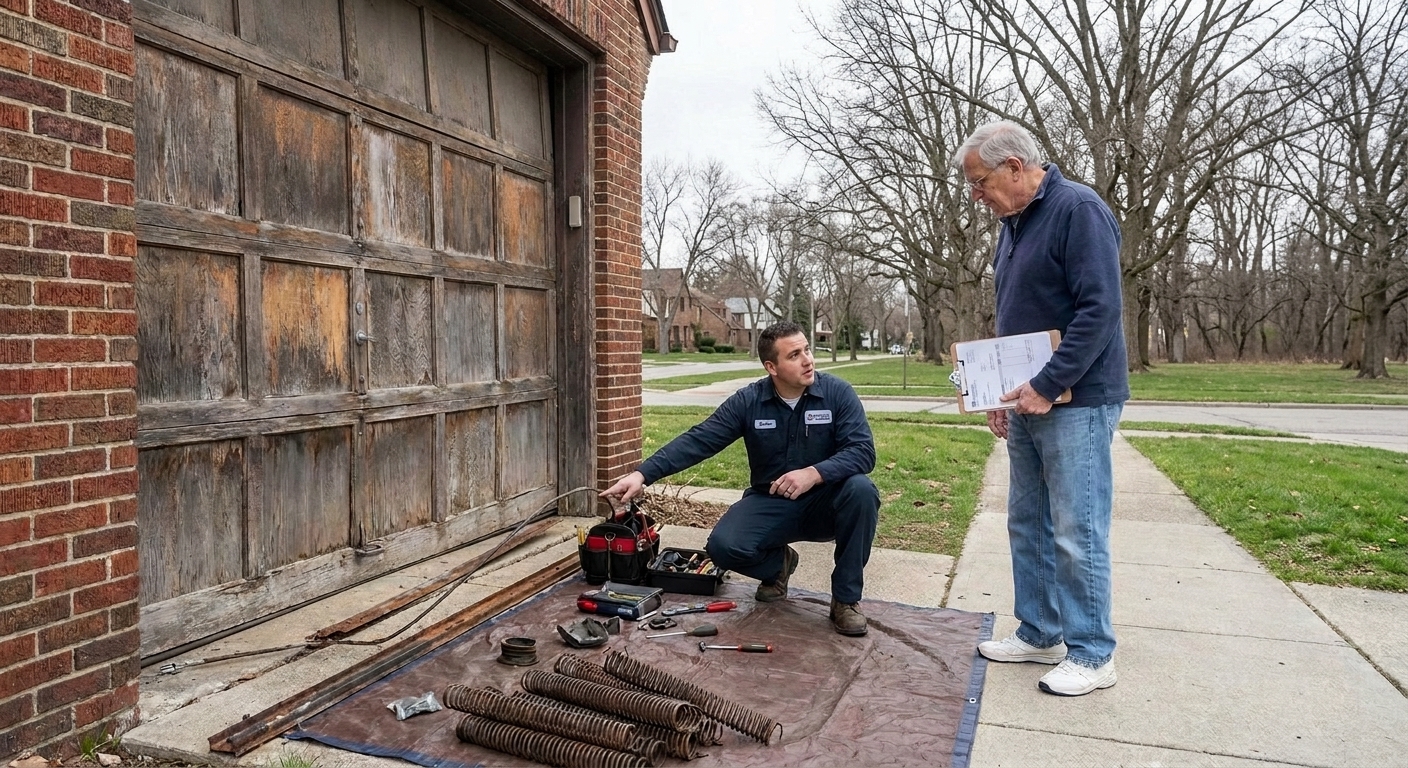
Replacing garage door rollers might look straightforward, but commercial doors are heavy, under tension, and dangerous if mishandled. The springs alone can cause serious injury if they're not properly released. The door itself can drop if it's not secured correctly. And if the new rollers aren't installed with precision, you'll end up with the same problems you started with—or worse.
A professional technician has the tools, the experience, and the safety protocols to do the job right. They'll also inspect the rest of the system while they're at it. Tracks, springs, cables, opener—everything gets a once-over. That's not upselling. That's making sure one small fix doesn't mask a bigger issue waiting to blow.
Timing Matters More Than You Think
The best time to replace rollers is before they fail completely. Reactive repairs cost more. They take longer. They disrupt your workflow. If you're already hearing noise or seeing uneven movement, don't wait for the door to stop working. Get it looked at. Schedule the replacement during a slow window. Keep operations moving.
Most businesses in Clinton Township operate on tight schedules. A garage door that's down for a day can throw off deliveries, shipments, and client access. A proactive roller swap takes an hour or two. A full system repair after a failure? That's a different story. One you don't want to tell.
What Happens If You Wait Too Long
Delaying roller replacement doesn't just extend the problem—it multiplies it. Worn rollers force other components to overcompensate, and that's when the real damage starts piling up.
Here's what you're risking:
- Bent or Damaged Tracks: When rollers don't glide, they scrape. That warps the tracks and throws off alignment.
- Burned-Out Opener: The motor has to work harder to move a door that's dragging. Eventually, it gives out.
- Spring Failure: Springs are calibrated for smooth movement. Add friction, and they wear out faster.
- Safety Hazards: A door that jumps the track or drops unexpectedly is a lawsuit waiting to happen.
- Extended Downtime: A simple roller fix becomes a multi-day repair job when other components fail.
Get Ahead of the Problem
Commercial garage doors don't ask for much. Keep the rollers in good shape, and the rest of the system stays stable. Ignore them, and you're gambling with downtime, safety, and costs you didn't budget for. If your door in Clinton Township is making noise, moving rough, or showing any of the signs we've covered, don't wait. Bring in a pro. Get the rollers checked. Replace them if they're worn. It's not sexy work, but it's the kind of smart, unglamorous decision that keeps your business running without surprises. For garage door repair needs, understanding when components need attention can prevent costly disruptions. Whether you need professional installations or routine maintenance, working with experienced door services ensures your overhead doors operate reliably day after day.
Let’s Keep Your Business Moving
We know how crucial a reliable garage door is to your daily operations. Don’t let worn rollers slow you down or put your team at risk. Let’s work together to keep your doors running smoothly and your business on track. Call us at 586-791-2369 or request a quote today, and we’ll help you stay ahead of costly repairs.
‹ Back
Recent Posts
-
Does Your Commercial Garage Door in Clinton Township Need New Rollers?
November 10, 2026
-
-
Can a New Garage Door in Clinton Township Help Cut Energy Costs?
October 13, 2026
-
Are Older Garage Doors in Grosse Pointe More Expensive to Maintain?
September 29, 2026
-
Why Is My Garage Door in St. Clair Shores Opening Crooked?
September 15, 2026