

By using our website, you agree to the use of cookies as described in our Cookie Policy
When Is It Time to Replace Your Garage Door Weather Seal in Grosse Pointe?
Most Grosse Pointe homeowners think a garage door seal is just a rubber strip. Something you forget about until water pools on the concrete or snow starts drifting in. But that strip does more than keep puddles out — it's the line between your garage and everything Michigan throws at it. When it fails, you're not just dealing with drafts. You're dealing with moisture, pests, and energy bills that creep up without warning.
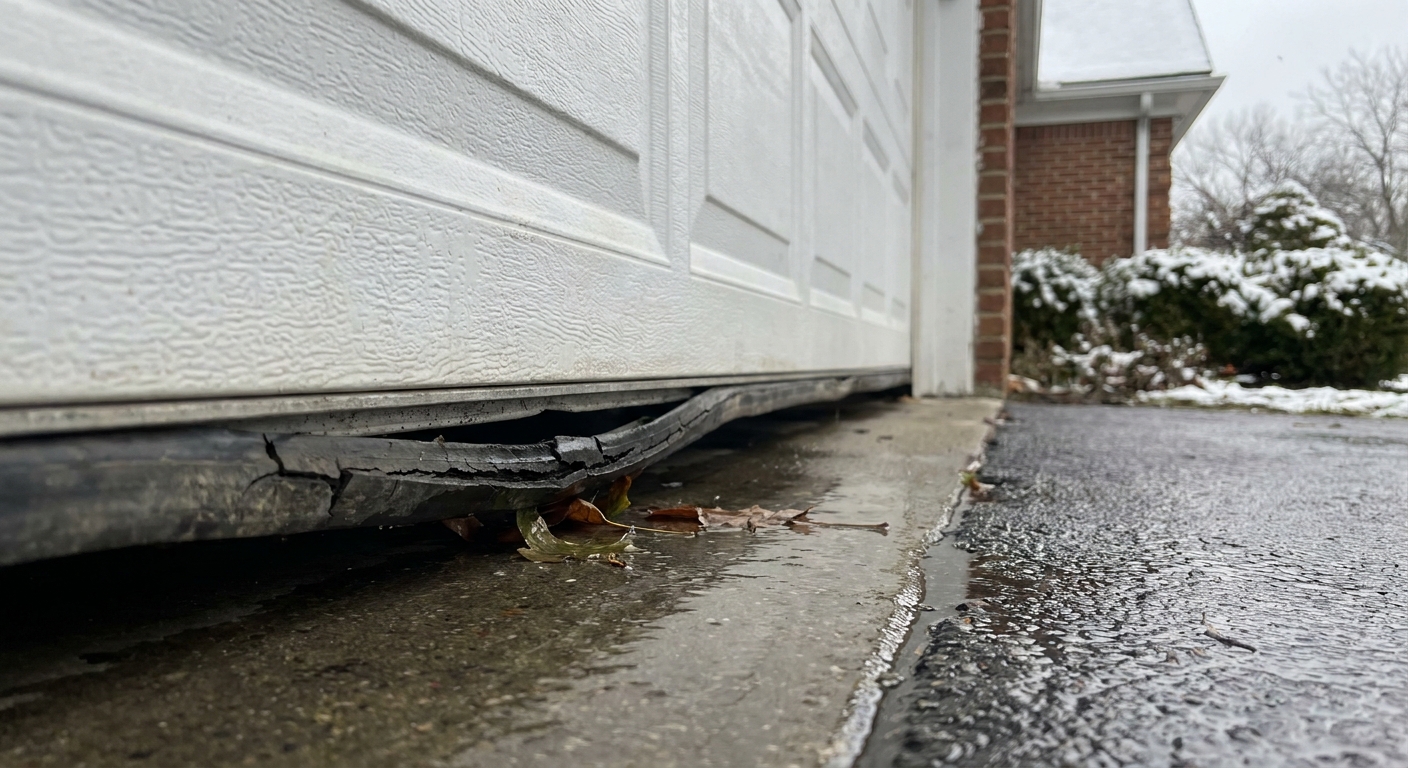
So here's the reality. If you're seeing gaps, feeling cold air, or noticing rodents where they shouldn't be, that seal's already past due. Don't wait until the damage spreads. Every season it sits broken is another opportunity for problems to stack up. And every repair you skip now costs more later — not just in dollars, but in comfort and peace of mind.
The Strip That Holds the Line
Weather seals sit at the bottom of your garage door, sometimes along the sides too. They're made from rubber, vinyl, or silicone, and they compress when the door closes to form a barrier. That barrier keeps rain from running under the door. It blocks wind from sneaking through. It stops insects and small animals from finding a way inside.
It also plays a role in temperature control. When your garage is attached to your house, air leaks through that door can mess with your heating and cooling costs. A solid seal means less work for your HVAC system and fewer surprises when the electric bill shows up.
Cracks Mean Air and Water Are Getting Through
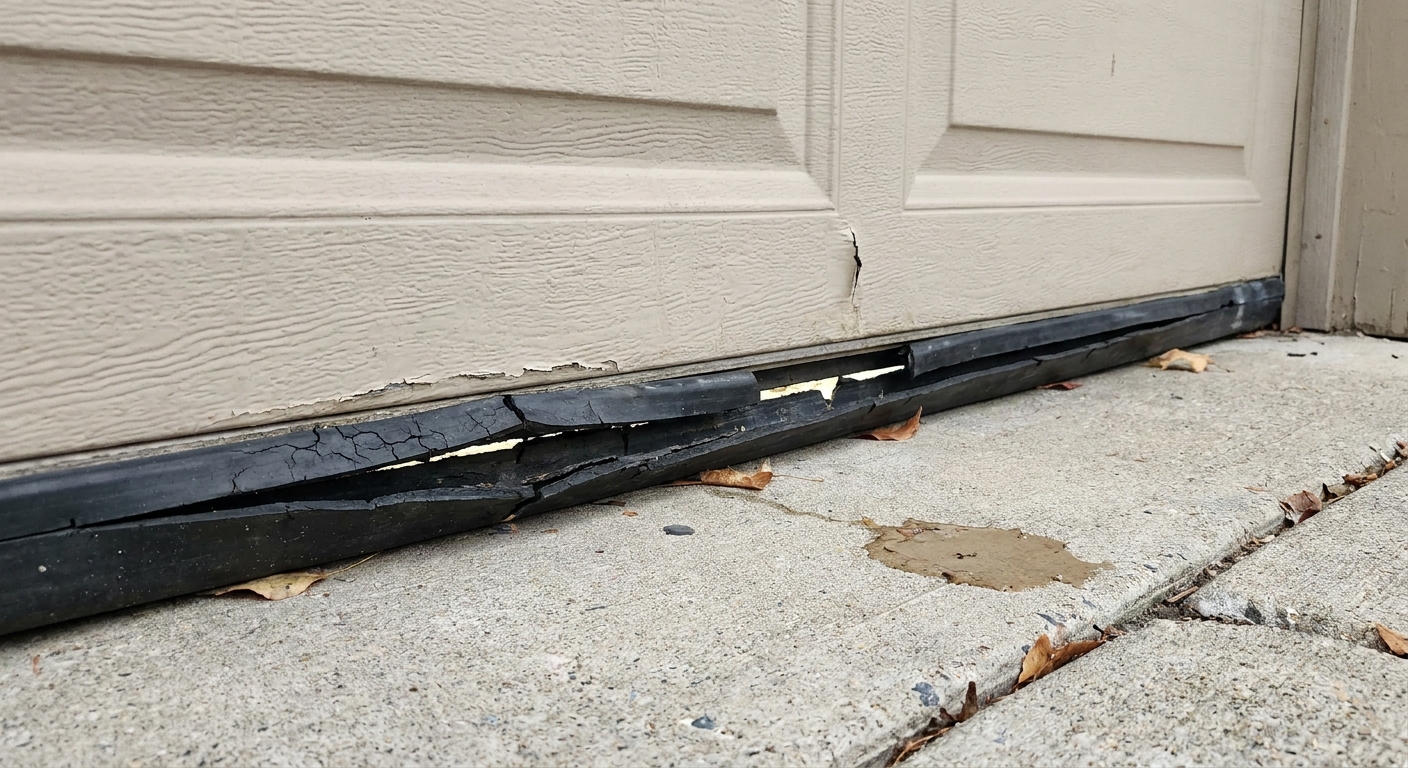
Walk up to your closed garage door and look at the bottom edge. If you see daylight peeking through, the seal's compromised. If you can spot visible tears, cracks, or chunks missing, it's not doing its job anymore. That gap might seem small, but it's enough for water to slide in during a storm or snow to drift through when the wind picks up.
Check after a heavy rain. If there's water on the floor near the door, the seal isn't holding. If you're mopping up puddles or dealing with damp cardboard boxes, you're already past the point where a simple inspection would've caught it. That moisture doesn't just disappear — it seeps into concrete, rusts metal, and creates conditions where mold can take hold.
Cold Air Finds Every Opening
Stand inside your garage on a cold day. If you feel a draft coming from under the door, the seal's not sealing. Michigan winters don't mess around, and a failing strip lets cold air pour in without resistance. Your garage gets colder, your attached living spaces work harder to stay warm, and your energy costs climb.
Even during milder months, temperature swings tell you something's off. If your garage feels like it's the same temp as outside despite the door being closed, that rubber strip isn't doing what it's supposed to. A good seal keeps the inside stable, not perfectly climate-controlled, but noticeably different from the driveway.
Pests Don't Need Much Space
Mice can squeeze through a gap the size of a dime. Insects need even less. If you're finding droppings, nests, or bugs crawling around where they weren't before, check the seal. A worn-out strip gives them an easy entry point, and once they're in, they're tough to get rid of.
We see this all the time in Grosse Pointe — homeowners assume pests are coming from somewhere else, but the garage door is the weak link. Close that gap, and you cut off one of the main routes they use to get inside. Leave it open, and you're basically inviting them in.
The Material Breaks Down Over Time
Rubber and vinyl don't last forever. Exposure to sun, rain, freezing temps, and road salt all take a toll. Eventually, the material gets hard and brittle. It loses flexibility, so it can't compress properly when the door closes. You'll notice it feels stiff or cracked when you touch it.
That breakdown happens gradually, which is why regular inspections matter. By the time you're seeing chunks falling off or the strip pulling away from the door, it's been failing for a while. Catching it early means replacing it before water damage or pest problems start.
When the Seal's Gone, Energy Costs Climb
If your garage is attached to your home, a bad seal affects more than just the garage itself. Air leaks let cold or hot air into spaces adjacent to living areas, forcing your heating and cooling systems to compensate. That means higher energy bills and more wear on your HVAC equipment.
It's not always obvious until you compare bills month-to-month or notice that your furnace is running more than usual. But the connection is real. Seal the door properly, and you reduce the load on your home's climate control. Leave it broken, and you're paying for conditioned air that's leaking straight outside.
How Long Should a Seal Last
Most weather seals hold up for two to five years, depending on the material and how much your door gets used. In Grosse Pointe, where weather extremes are part of the deal, you're probably closer to the shorter end of that range. Heavy snow, ice, and summer heat all speed up wear.
Inspect at least once a year — ideally before winter hits. Look for the warning signs we've covered: cracks, hardness, gaps, water intrusion, drafts. If you spot any of those, don't wait for the next season. Replace it now, while it's on your terms, not because something failed in the middle of a January freeze.
DIY or Call Someone Who Knows Doors
Replacing a weather seal isn't complicated for most standard garage doors. You pull off the old strip, slide in the new one, trim it to length, and you're done. But if your door has custom features, unusual dimensions, or alignment issues, you might be better off calling a pro.
A garage door repair tech can handle the install quickly and make sure everything lines up correctly. They'll also spot other issues — track problems, worn rollers, loose hardware — that could cause bigger headaches down the line. If you're not confident in your ability to get it right, or if you just don't want to deal with it, professional door services are worth the call.
What Happens When You Wait Too Long
Putting off a seal replacement doesn't just mean more drafts or a few puddles. It means water damage to your concrete floor, rust on metal storage units, and moisture that can creep into walls if your garage is finished. It means higher energy bills that compound every month. It means pests that are harder to evict once they've settled in.
We've seen garages where delayed maintenance turned a $50 seal replacement into a multi-thousand-dollar repair job. Concrete cracks from freeze-thaw cycles. Drywall gets moldy. Stored belongings get ruined. None of that happens overnight, but it all starts with a worn-out strip that nobody bothered to replace.
The Right Materials Make a Difference
Not all weather seals are built the same. Some are designed for extreme cold, others for high UV exposure. In Grosse Pointe, you want something that can handle freezing temps without getting brittle and summer sun without degrading too fast. Look for seals rated for your climate, not just the cheapest option at the hardware store.
Quality materials cost a bit more upfront, but they last longer and perform better. A good seal stays flexible in winter, resists cracking in summer, and maintains a tight fit even after hundreds of open-close cycles. Cheap seals fail faster, which means you're replacing them more often and dealing with the problems that come with failure in between.
Keep It Simple, Keep It Working
A garage door weather seal isn't glamorous. It's not the kind of thing you brag about or show off to neighbors. But it's one of those small components that makes a big difference when it works and causes headaches when it doesn't. Check it regularly. Replace it when it shows wear. Don't wait for water, pests, or cold air to tell you it's time.
In Grosse Pointe, where the weather demands more from every part of your home, staying ahead of maintenance isn't optional — it's how you avoid expensive surprises. For residential garage door needs and professional installations, staying ahead means catching problems before they turn into damage you can't ignore.
Let’s Protect Your Garage from the Elements
We know how quickly Michigan weather can turn, and a reliable garage door seal is your first line of defense. If you’re noticing drafts, water, or pests sneaking in, let’s take care of it before it becomes a bigger issue. Give us a call at 586-791-2369 to talk with our team, or request a quote and we’ll help you keep your garage dry, secure, and energy efficient all year long.
‹ Back
Recent Posts
-
-
Can a New Garage Door in Clinton Township Help Cut Energy Costs?
October 13, 2026
-
Are Older Garage Doors in Grosse Pointe More Expensive to Maintain?
September 29, 2026
-
Why Is My Garage Door in St. Clair Shores Opening Crooked?
September 15, 2026
-
Can You Replace Just One Garage Door Panel in Clinton Township?
September 1, 2026